You have probably noticed, there is an increasing number of LGBTQ+ roles in mainstream films worldwide and it’s about time. Andrew Haigh's Weekend (2011) ditched the usual one dimensional gay stereotype to replace it with a more grounded, if not mundane, approach to the male gaze; Barry Jenkins's Moonlight (2016) continued to deconstruct masculinity and race while Francis Lee's God's Own Country portrayed homosexuality without superfluous artifices or unnecessary melodrama. These movies have achieved what was desperately needed in the LGBT+ cinema: range. So far, queer people were only portrayed as outspoken and flamboyant and this isn’t internalised homophobia here, I am myself an outspoken queen who will cut anyone who disrespect me. Yet I couldn’t help to feel like there was more to be shown, more degrees of queerness to be represented on screen. There is still a lot of work to be done to achieve that, but Call Me By Your Name is one of those rare films that leaves you powerless to its many, many charms.
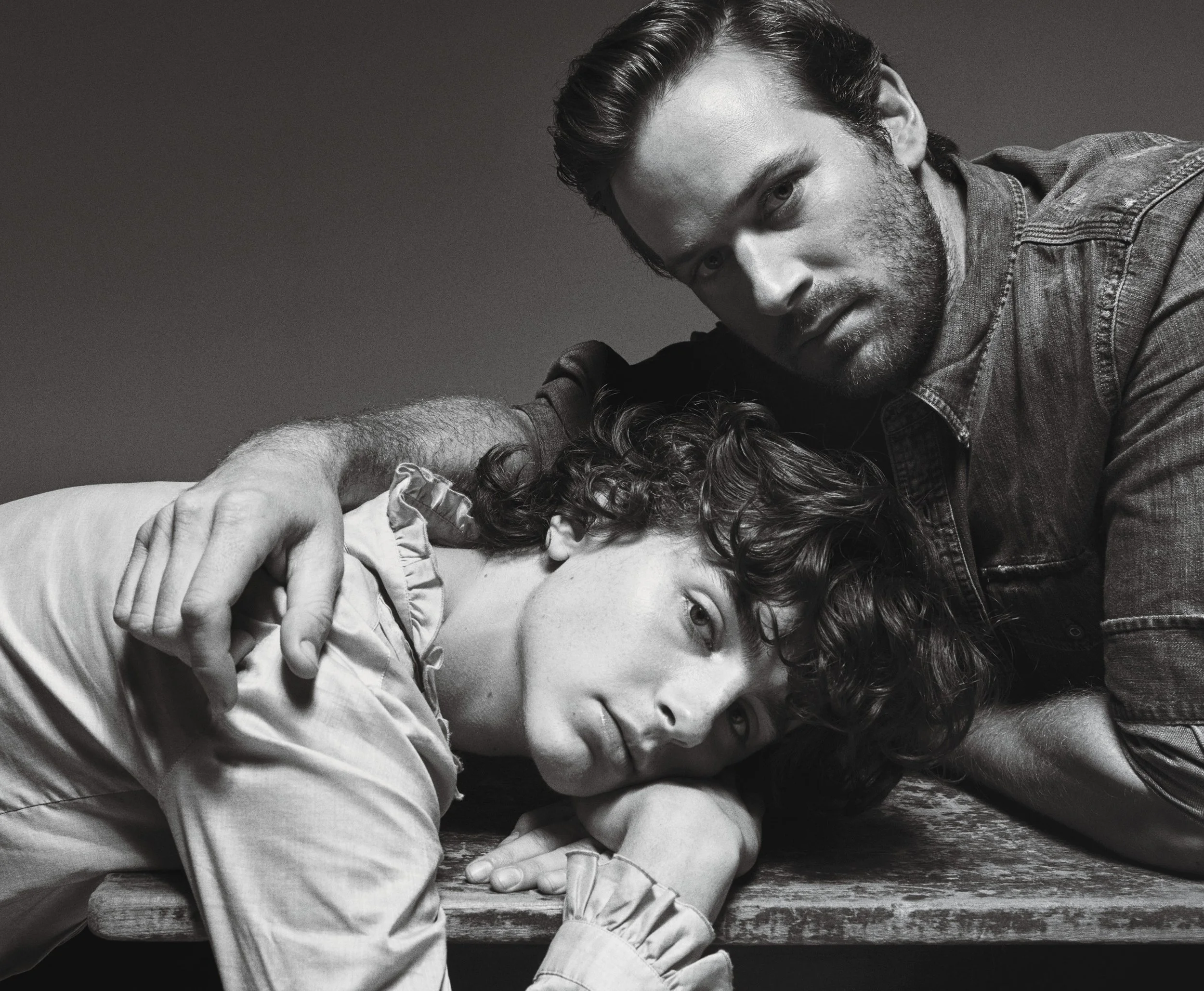
If you haven't watched any Luca Guadagnino films yet, I urge to do so; his films are exquisite. Call Me By Your Name tells the story of Elio (Timothée Chalamet), a young man in the prime of his age, member of a Franco-Italian family, who spends his summer 1983 at home in a northern village of Italy. Between swimming sessions, practicing piano, cycling around town and reading books. The arrival of a slightly older American student, Oliver (Armie Hammer) holds the promise of a new friend to spend the summer with but is quickly put off by his arrogance. His carelessness and nonchalance sparks jealousy in Elio’s heart which is also the perfect recipe for attraction Simultaneously, Oliver triggers unsettling feelings in Elio’s body as he is drawn to the shape of his body; from the necklace resting on Oliver’s hairy chest, to the scent of his swim-trunks resting on the bathtub tap after a long summer day.
Like in any Guadagnino films, the director pays tribute to the richness of the Italian culture. There are numerous mouth watering close ups of food, complemented by gorgeous peaceful countryside panning shots. Something as simple as riding a bike on a hot summer afternoon with the sound cicadas singing to your ears, or drinking a glass of freshly squeezed apricot juice is one of many examples of life's little pleasures that Guadagnino features in his film. He creates a very specific time and space so that it resonates with you as if you were there to taste it, or at best, reliving a memory from your childhood. His films are escapism at its best.
The relationship between Elio and Oliver constitutes the backbone of the entire film; you cannot help to identify with Elio as you remember your own inadequacy to face your first romantic and sexual encounter. Then you simultaneously identify with an ideal version of yourself that Oliver embodies. Elio might be clueless when it comes to love but his heart is pure and in the right place, whereas Oliver’s more mature approach to love prevents him from fully letting go of what is expected of him in life: to be married and have a family.
The film doesn't rush our male protagonists into a love affair, it rather takes the time it needs to arouse its audience gradually. I remember reading André Aciman's novel of the same name and feeling frustrated by Oliver's reluctance to fall for Elio, and I'm glad the film captured this psychological and physical torture because it made their story credible and ultimately rewarding. Like in an Italian kitchen, some dishes take time to make and Guadagnino knows that there are no such things as shortcuts. Perhaps Hollywood should take cooking lessons so we could have decent romantic comedies to watch?
If you didn't catch this little gem last year, I thoroughly recommend it to anyone who has an appreciation for culture and life. A film as generous as that should not be ignored.