
Aurore (I Got Life)
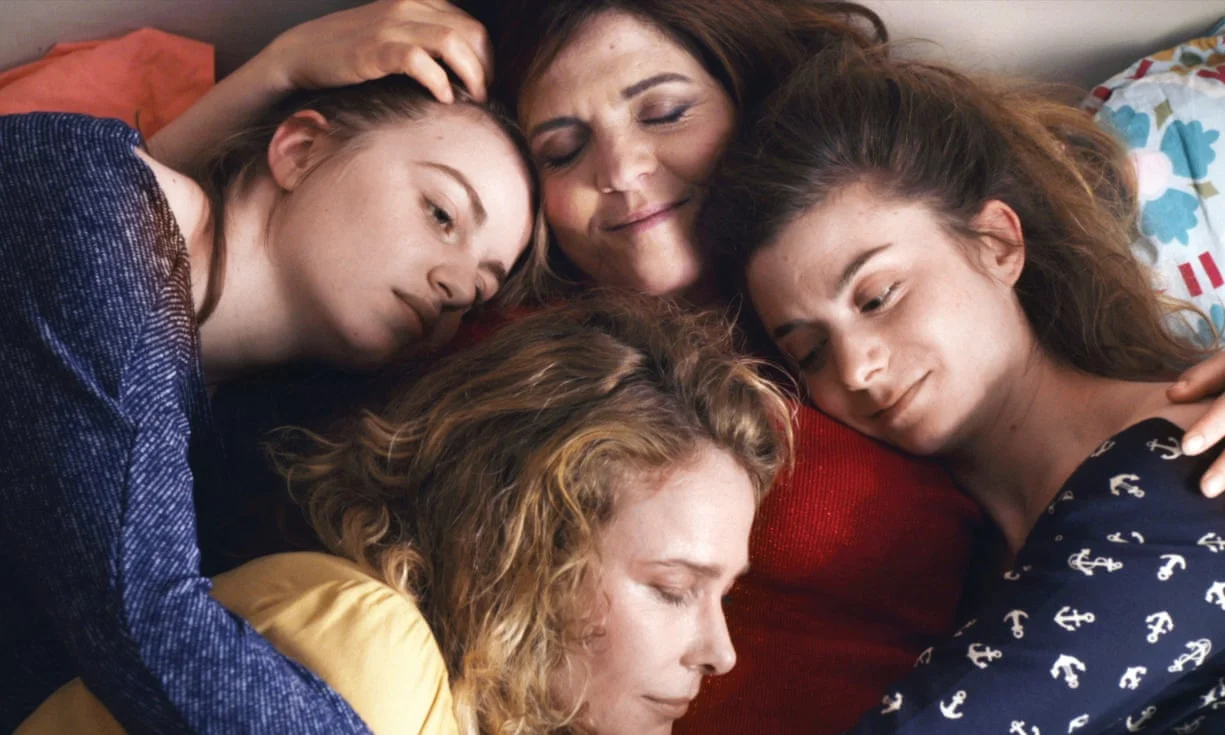
'UNE FEMME DE CARACTÈRE'
France, 2017 / Blandine Lenoir / 89min.
Aurore (renamed 'I Got Life' after Nina Simone's song) was recently released in the UK, thanks to the lovely people of Peccadillo Pictures who always manage to bring us films featuring singular and politically engaged characters. It was the case last year with the incredible film 'In Between/Bar Bahar' (2016, Maysalun Hamoud), a portray of three modern Muslim women who fight outdated conception gender, sexuality and freedom. In I Got Life, we are very far from a feeling of political urgency but the fight for gender equality nonetheless remains the same everywhere.
The film tells the story of Aurore, a divorced woman who has reached the autumn of her life and starts asking herself what's in store for the remaining years as she hits menopause. Mother of two daughters; one discovering the joy of first love and sex, the second being pregnant only reminds Aurore that the gift of life has been taken away from her. Because menopause has negative side effects, it generally translates as a form of depression but the director never choses dramatise it. Instead, the film forces us to look at the reality and does it with humour which ultimately normalise it, preventing it from demonising an already negatively connoted condition. The sharp sense of humour blended with occasional moments of melancholic drama is what makes this film a hybrid; not quite a full on comedy, not a complete melodrama either, but a film that understands the coexistence of the two.
The genius of I Got Life is in its simplicity, and I mean that in the best possible way. The film doesn't try to bite more than it can chew, leaving storylines hanging endlessly like so many films do. The director does an incredible job at portraying Aurore's surroundings and particularly her friends and family. The support cast is very strong: Aurore's best friend Mano (Pascale Abillot) steals the show every time she cracks a joke and her craziness contrasts well with Aurore's more settled way of speaking. Her two daughters are also well acted by Sarah Suco and newcomer Lou Roy Lecollinet. Aurore's relationship with each one of them is different: the younger daughter embodies youth and sexual freedom which are two things Aurore longs for whereas the eldest's pregnancy, making her a grandmother symbolises the fact that she is ageing. Most films shy away from this natural life process, promoting youth and beauty over character, but director Blandine Lenoir delivers a film so full of life and hope that you'll forget most of your anxieties about growing old as Aurore bounces back wittily after the small unfortunate punches life throws at her.
Towards the end of the film, a sense of purpose and resolution is achieved as Aurore comes to terms with her life. Every scattered pieces are put together, every storyline finds a conclusion where each character has brought something valuable to the table. In short, a happy ending without the heaviness of the usual romantic stereotypes.