Full Time (A Plein Temps)
‘‘La course contre la montre’’
France, 2021. Dir Eric Gravel
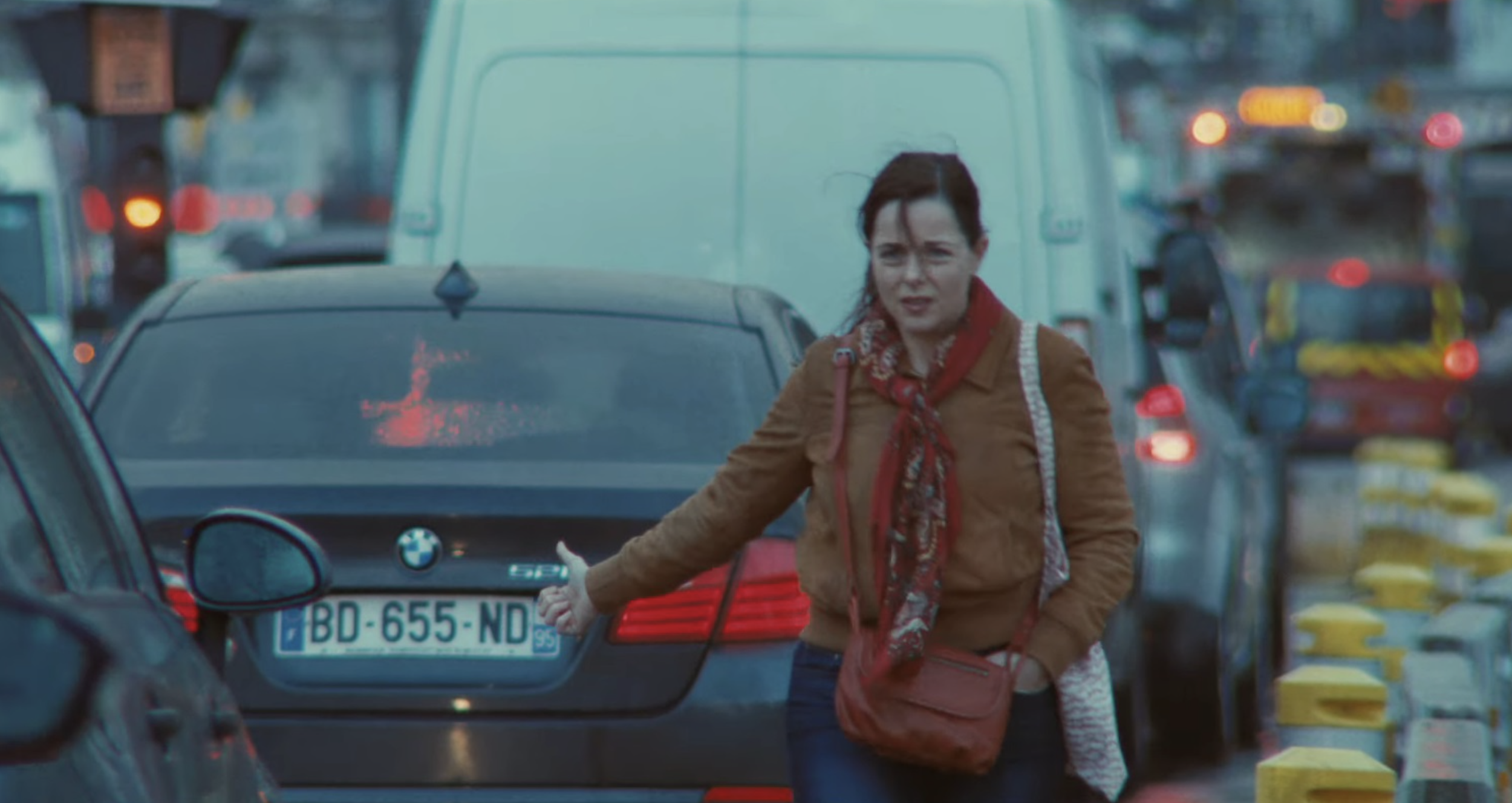
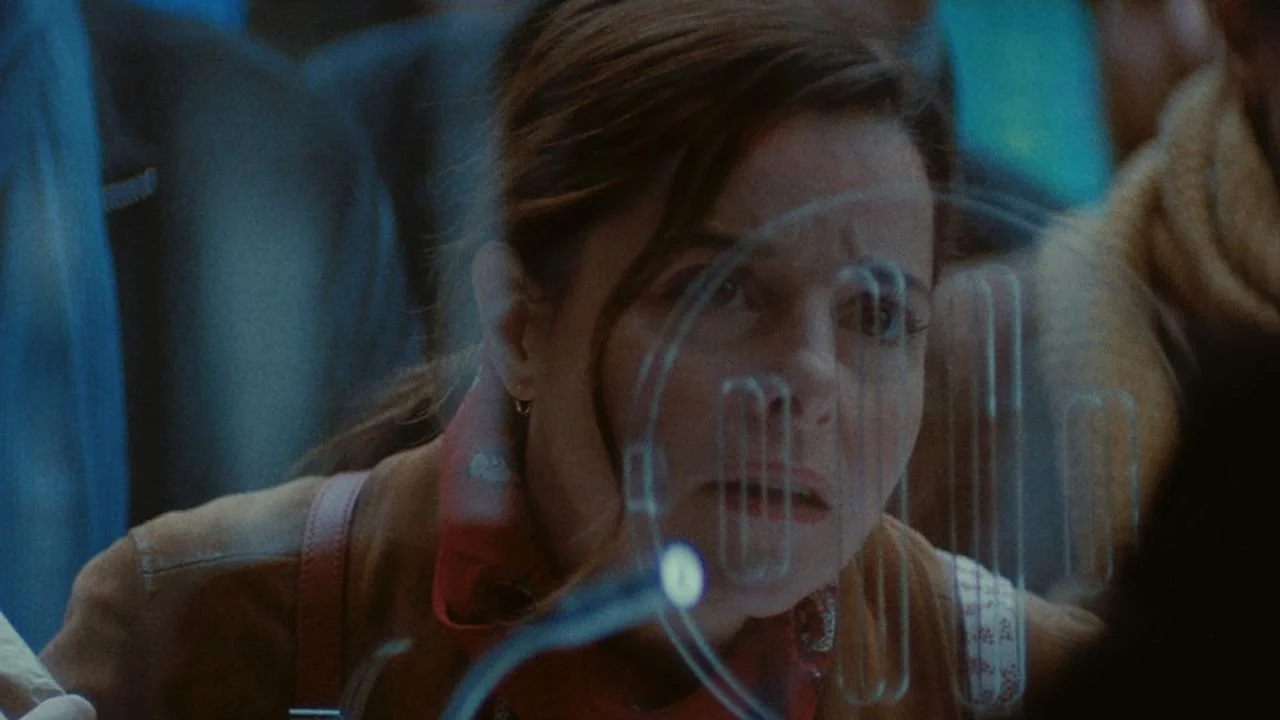
The last time I felt so involved in the mundanity of everyday life and particularly in its social entrapments, it was for ‘‘Two Days, One Night’’ directed by the Dardennes Brothers, starring Marion Cotillard. There are indeed so many little things that we all do every single day, and very often they go as planned and we don’t even think about them. Yet sometimes, people are faced with situations where neither timing and circumstances are on their side and director Eric Gravel wrote a story about the life of a woman on the verge of a nervous breakdown. Here, the social drama formula is rejuvenated and pushed to a limit, being treated almost like a thriller/action movie, which clearly goes to show that moving images are one thing, but the pacing of the editing and the sound design, whether it is within the film or as an added soundtrack, are things that can be manipulated to create rhythm. It is that very same rhythm that governs your attention until the credit roll, transforming mundane, everyday chores such as preparing your kids in the morning and rushing to the train station to make it just on time for work, into time sensitive tasks that if delayed, will create a domino effect that will impact your day and eventually your chances at a better life all together.
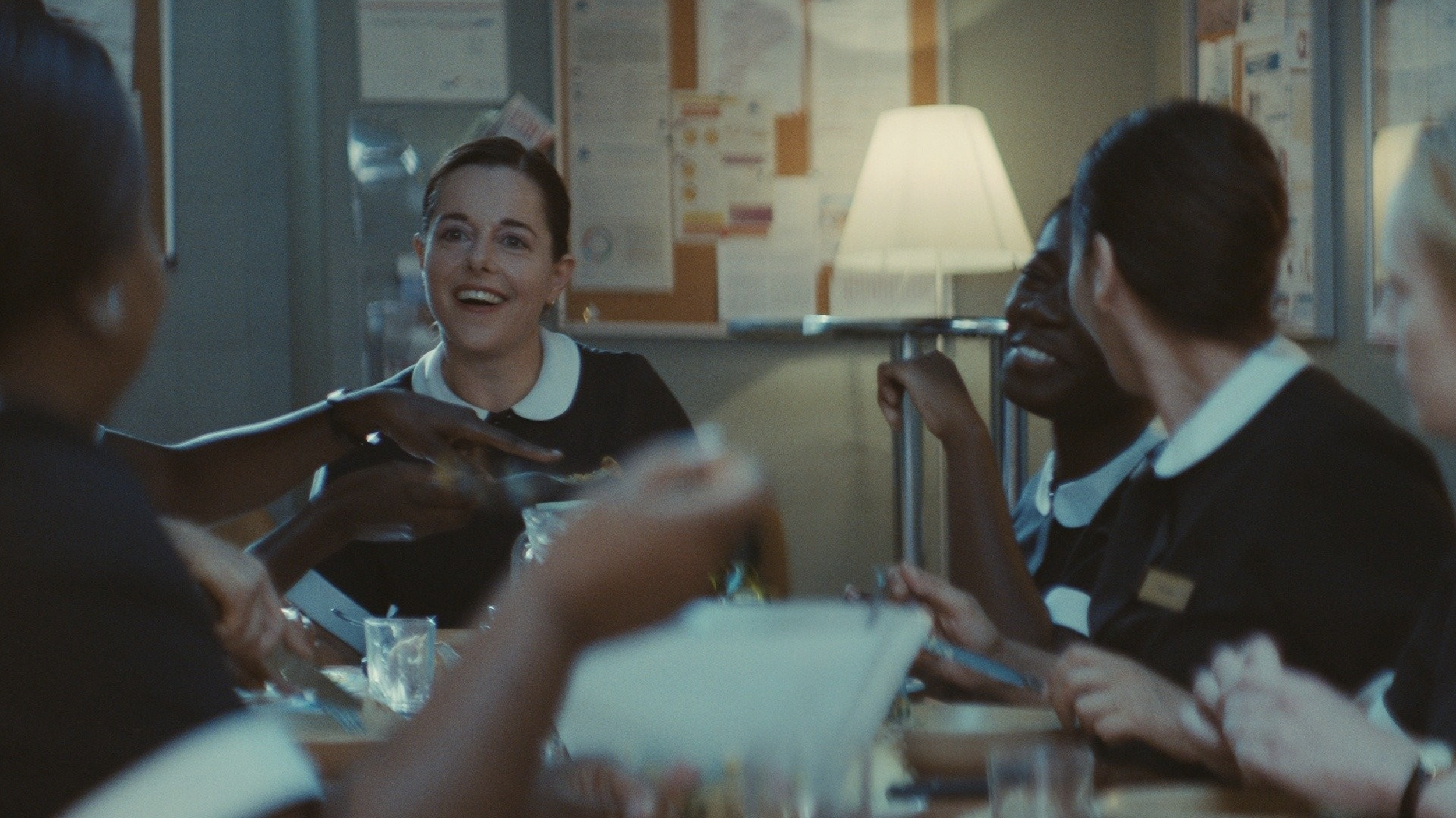
Full Time holds you by the throat while holding a ticking clock by your ear and you might want to stick around to watch this modern masterpiece. Living in London, I don’t think this movie got the attention it deserved compared to other French films I have seen in Europe. I think about Portrait of a Lady on Fire, a classical yet groundbreaking queer love story, and perhaps it was its queerness and elegance that pulled a wider audience in. Full Time’s argument is much different, and perhaps not a mean for escapism like in Portrait. Yet, I would encourage you to look closely and find the beauty in the little things, to find the poetry in the way Julie finds seconds of respite between nerve wracking episodes and in the even rarer moments when she is a free woman, not a mother, not an employee, not a candidate. Just Julie.
Laure Calamy portrays Julie magnificently; a raw and powerful performance that feels as urgent and ruminative as its subject. While the movie is far from being romantic, there is a gradual exchange with her neighbour she fancies, which not only holds the promise of carnal pleasure but also perhaps the idea of a partner to share the burden of their respective lives. Yet, the film doesn’t fall for any cheap tricks, far from suggesting a single mother cannot do it all by herself. There is indeed a breaking point when the spectator fears for Julie, asking themselves ‘how much more can she take?‘ and that is where the film’s tension resides. Will she break? You will have to watch the movie to find out.